Understanding Moisture Staining: What It Means for Your Home


What is Moisture Staining?
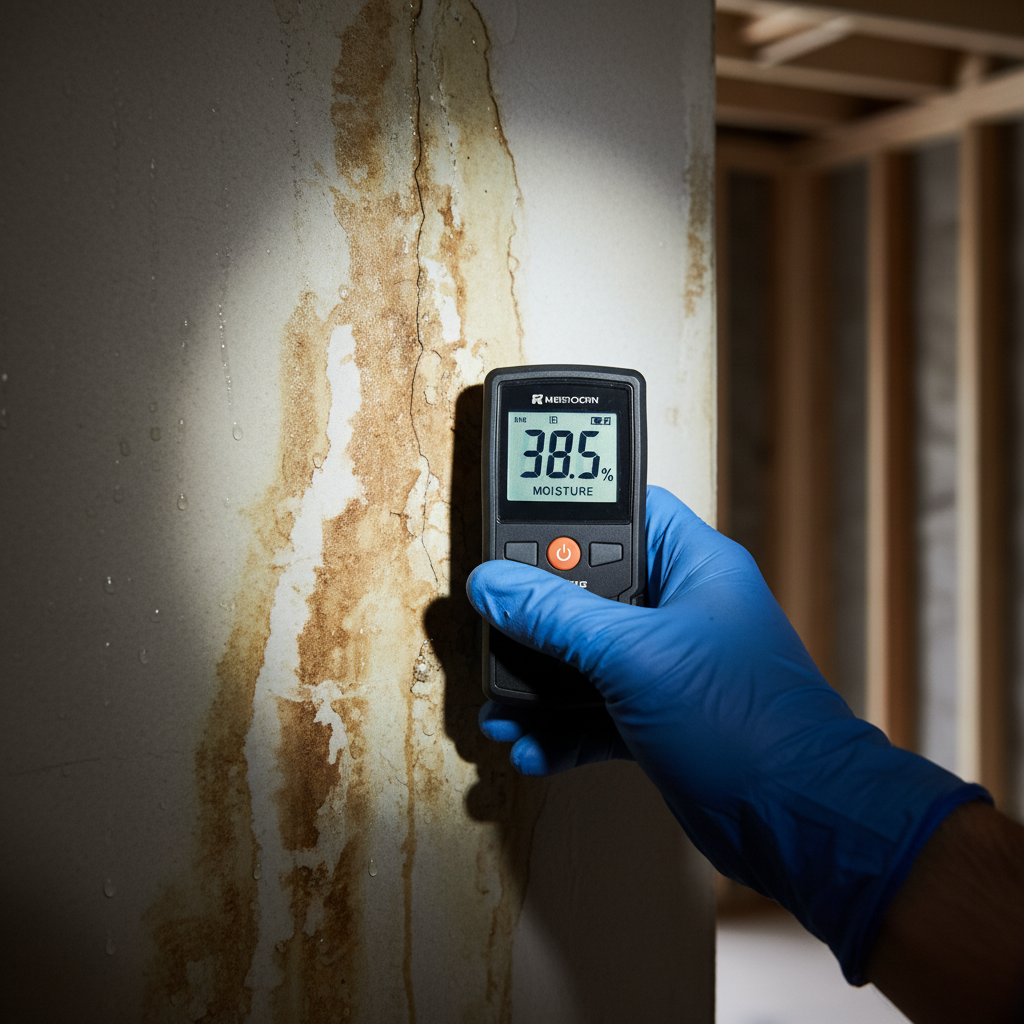
Moisture staining is a common issue that many homeowners face, often indicating a deeper problem with water intrusion or humidity levels in the home. These unsightly marks can appear on walls, ceilings, and floors, signaling the need for attention and possibly repair. Understanding the root cause of moisture staining is essential to maintaining a healthy and safe home environment.
Typically, moisture stains are brown or yellow and can vary in size and shape. They often result from water seeping into building materials, which can lead to more severe damage over time if not addressed promptly.
Causes of Moisture Staining
Several factors can contribute to moisture staining in your home. The most common causes include:
- Leaking roofs or pipes
- Poor ventilation
- High indoor humidity levels
- Condensation on cold surfaces
Identifying the source of the moisture is crucial for preventing further damage and ensuring that the issue does not recur.
Potential Risks of Ignoring Moisture Stains
Ignoring moisture stains can lead to several problems within your home. These issues can range from aesthetic concerns to more serious structural damage. Some potential risks include:
- Mold growth, which can impact indoor air quality and health
- Structural damage to walls, ceilings, and floors
- Increased energy bills due to compromised insulation
How to Address Moisture Staining
To effectively address moisture staining, it’s important to take a comprehensive approach. Start by identifying and repairing the source of the moisture. This may involve fixing leaks, improving ventilation, or using a dehumidifier to control indoor humidity levels.
Once the source is managed, cleaning and repairing the stained areas is the next step. Depending on the severity, this might involve simple cleaning or more extensive repairs, such as replacing damaged drywall or repainting surfaces.
Preventing Future Moisture Stains
Prevention is key to avoiding future moisture staining. Here are some strategies to consider:
- Regularly inspect your home for leaks and repair them promptly.
- Ensure good ventilation in areas prone to humidity, like bathrooms and kitchens.
- Use exhaust fans and dehumidifiers to manage moisture levels.
- Maintain your roof and gutters to prevent water accumulation.

Conclusion
Understanding moisture staining and its implications for your home is essential for maintaining a safe and healthy living environment. By identifying the causes and taking proactive measures, homeowners can protect their property and avoid costly repairs in the future. Always remember, addressing issues early can save time, money, and stress in the long run.